

Are Car Washes Bad for Your Car & How Often Is Too Often?
We all want our cars to look great and last a long time. But when it comes to washing your car, there’s a lot of mixed information out there. Are automatic car washes damaging your vehicle? Is hand washing always better?
At Hawk Ford of St. Charles, we care about helping you keep your vehicle in top condition, so let’s clear up the confusion about car washes.
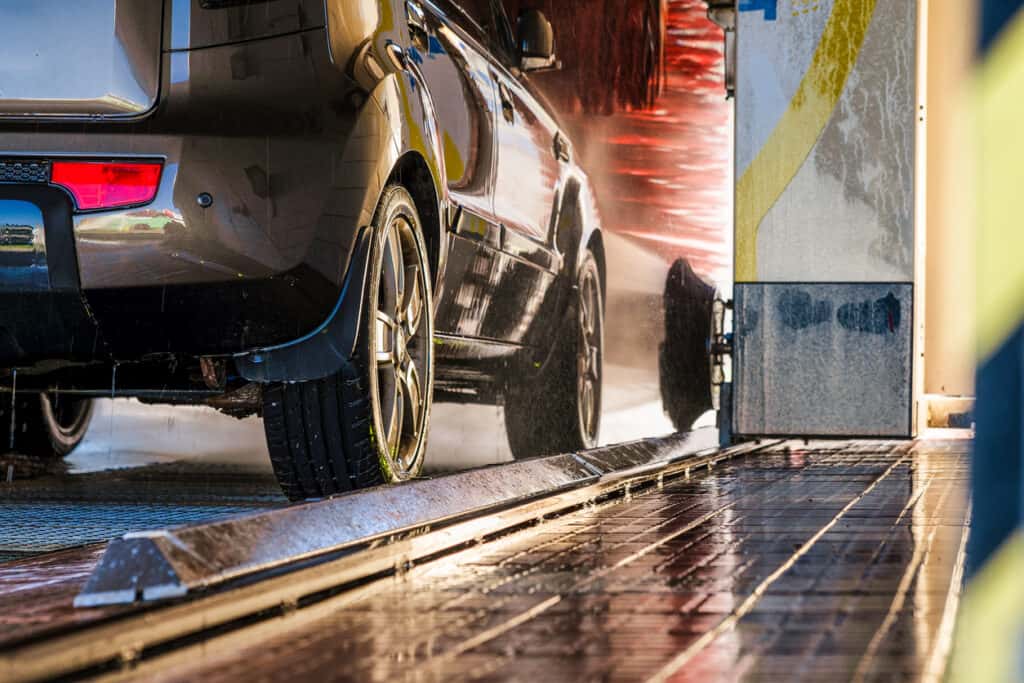
The Benefits of Regular Car Washing
First, let’s talk about why washing your car matters:
- Protects your paint – Dirt, bird droppings, and road salt can damage your car’s finish if left to sit
- Prevents rust – Especially important in Illinois where during the winter roads are treated with salt
- Maintains value – A clean, well-kept car typically has a higher resale value
- Improves safety – Clean windows and mirrors mean better visibility on the road
Most experts agree that washing your car regularly is good for it. However, one question remains: Can you wash your car too much?
If you wash your car properly, then even washing as often as once a week is safe. However, if you use improper washing techniques or tools, or visit the wrong automatic car wash station, you could be damaging your vehicle with every wash.
Types of Car Washes: Pros and Cons
Automatic Car Washes
These are the drive-through car washes you find at gas stations or dedicated car wash businesses. They usually consist of two types:
- Touchless Car Washes
Pros:
- No physical contact with your car’s surface
- Less risk of scratching
- Quick and convenient
- Consistent results
Cons:
- Might not remove all dirt in hard-to-reach areas
- Can be more expensive than other options
- Friction Car Washes
Pros:
- More thorough cleaning than touchless
- Usually less expensive
- Quick and convenient
Cons:
- Brushes can potentially cause fine scratches on your car
- Brushes might be dirty from previous use
- May not be good for cars with special finishes or modifications
If your car is very dirty, a touchless wash might not clean it fully. However, old, worn brushes in friction car washes can scratch your car and transfer dirt from other vehicles.
Hand Car Washing
This includes washing your car yourself or paying for a professional hand wash service.
Pros:
- Complete control over the products used
- Can pay special attention to problem areas
- Often more thorough than automatic washes
- Gentler on your car’s finish
Cons:
- Takes more time and effort
- Weather-dependent if doing it yourself
- Incorrect techniques can damage your paint
- Harder to clean the undercarriage of your vehicle (unless using special equipment)
Usually, washing your vehicle yourself or paying a professional is more effective than automatic washes. However, it’s always better to clean a dirty car than to leave mud, salt, sand, and grime to sit on the body.
Are Car Washes Bad for Your Car?
The simple answer: No, if you choose the right type of car wash.
Here’s what can potentially harm your car:
- Dirty, worn brushes in automatic washes that can scratch your paint
- Harsh chemicals or soaps that strip protective wax
- Improper hand washing techniques, like using dirty sponges or harsh brushes
- Not washing frequently enough, allowing harmful grime to sit on your paint
How To Safely Wash Your Car
Whether you choose an automatic wash or prefer to do it yourself, here are some tips to keep your car safe:
If Using Automatic Car Washes:
- Choose high-quality facilities that maintain their equipment
- Opt for touchless washes if you’re concerned about scratches
- Remove accessories like antenna toppers before entering
- Dry your car afterward with a microfiber cloth to prevent water spots
- Consider skipping the undercarriage high-pressure wash in older vehicles (if rust and corrosion are already present) to prevent damage
If Hand Washing:
- Use car soap (never dish soap, which removes protective wax)
- Wash with clean microfiber cloths or a soft mitt, not sponges that trap dirt or brushes that can scratch the paint
- Use separate buckets for soap and rinsing
- Wash from top to bottom so dirt runs downward
- Dry with clean microfiber towels
How Often Should You Wash Your Car in Illinois?
Living in St. Charles or nearby areas means dealing with changing seasons that affect how often you should wash your car:
- Winter: Every 1-2 weeks to remove road salt
- Spring: Every 2 weeks
- Summer: Every 2-3 weeks (more often if parking under trees where bird droppings and tree sap fall)
- Fall: Every 2-3 weeks
Special Considerations for Ford Vehicles
Different Ford models may have specific care needs:
- Ford F-150 and trucks: These vehicles often see more dirt and grime from work or off-road use. Pay special attention to the undercarriage.
- Ford Mustang and sports models: These show-stopping vehicles often have special paint finishes that benefit from gentle hand washing.
- Ford SUVs: These family haulers often need regular car detailing, including interior cleaning and exterior washing.
The Bottom Line: Car Washes Are Good for Your Car
When done properly, regular car washing is an important part of maintenance that helps protect your investment. The key is choosing the right method and frequency for your specific needs.
At Hawk Ford of St. Charles, we recommend:
- Regular washing appropriate to the season
- Quality products designed for automotive use
- Professional detailing once or twice a year
- Immediate cleaning after exposure to bird droppings, tree sap, road salt, or other debris
Need More Car Care Advice?
Our service team at Hawk Ford of St. Charles is always happy to answer your questions about caring for your Ford vehicle. Whether you’ve purchased a new Ford from us or are maintaining an older model, we’re here to help your car run smoothly for years to come.
Visit our Ford Service Center in Saint Charles, IL, or contact us to schedule a service appointment. Our team can provide personalized advice for your specific Ford model and help with everything from basic maintenance to major repairs.
0 comment(s) so far on Are Car Washes Bad for Your Car & How Often Is Too Often?