

What is a Cold Start: How It Affects Your Vehicle
When temperatures drop, starting your car can take longer and feel rougher than usual. A cold start is a common problem in cold weather that can affect your car’s performance and lifespan. Understanding what cold starting a car is and how to reduce its effects can help keep your engine in top condition.
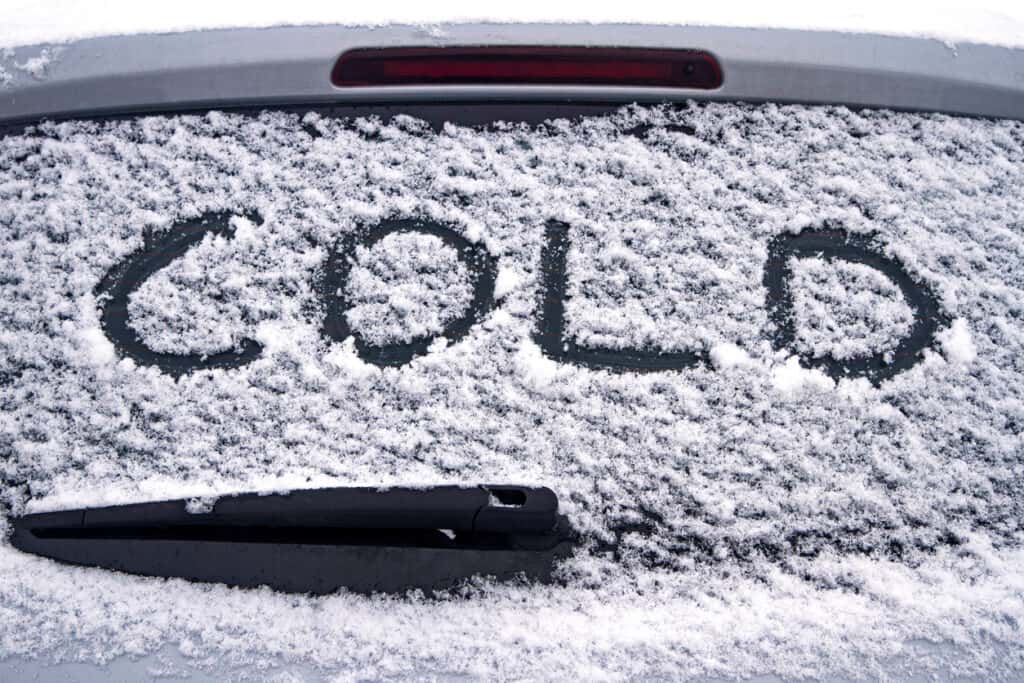
What Is a Cold Start?
You experience a cold start when you start your car after it has been parked for a long time, especially in cold weather. When the engine and its parts cool down, fluids like oil and coolant thicken, making it harder for them to flow smoothly. The engine needs more power to start, which can cause rough idling, slow acceleration, and extra wear on important parts.
In very cold weather, a cold start can drain the battery faster because the chemical reactions that produce power slow down. This is why many vehicles struggle to start on particularly icy mornings.
How a Cold Start Affects Your Vehicle
Frequent cold starts can put extra strain on various parts of your car. Some of the key areas affected include:
1. Engine Wear and Tear
When you start your vehicle cold, engine oil is thicker and takes longer to reach all moving parts. This means components such as pistons, camshafts, and crankshafts may run with less lubrication at first, leading to increased friction and wear over time.
2. Battery Performance
Your car battery works harder during a cold start because cold temperatures slow down the chemical reactions inside it. If your battery is old or weak, it may struggle to start your car or even die on very cold mornings.
3. Fuel Consumption and Efficiency
A cold start uses more fuel because the engine runs at a higher RPM to heat up in the cold. If you frequently start your car in the cold without driving it right away, you may notice reduced fuel efficiency.
4. Exhaust System Impact
Short trips after a cold start can lead to moisture buildup in the exhaust system. If the engine doesn’t warm up fully, moisture may not evaporate completely, which can cause rust and corrosion over time.
How to Reduce the Impact of Cold Starts
To protect your vehicle and ensure a smooth start in cold weather, consider the following practices:
1. Use the Right Engine Oil
Cold weather can make oil thicker, reducing its ability to flow properly. Look in your owner’s manual for engine oil made for cold weather, which stays liquid even in low temperatures.
2. Allow the Engine to Warm Up
Modern engines don’t need to idle for long, but letting your car run for 30 seconds to a minute before driving helps the oil spread better. However, excessive idling wastes fuel and isn’t necessary for most newer vehicles.
3. Keep Your Battery in Good Condition
If you live in a colder climate, have your battery tested before winter to ensure it holds a proper charge. If your battery is weak, replacing it before winter can help prevent cold start issues.
4. Park in a Garage or Use an Engine Block Heater
Keeping your car in a garage can help maintain a higher temperature and reduce the impact of cold starting. In very cold places, an engine block heater warms up the engine before starting, making it easier to start and reducing wear on parts.
5. Drive Gently After a Cold Start
Instead of idling for long periods, start driving slowly and avoid hard acceleration for the first few minutes. This helps warm up the engine gradually and reduces strain on mechanical parts.
Protect Your Car from Cold Start Damage
Now that you know what a cold start is, you can take steps to reduce its impact and keep your car running well in cold weather. Simple maintenance, like using the right oil and keeping your battery strong, can make a big difference. If you have concerns about cold starts or need winter-ready service, visit Hawk Ford of St. Charles. Our team can help you prepare your vehicle for any season.
0 comment(s) so far on What is a Cold Start: How It Affects Your Vehicle